Sensi Thermostats for Co-Living: Reducing Temperature Complaints and Manual Follow-Up
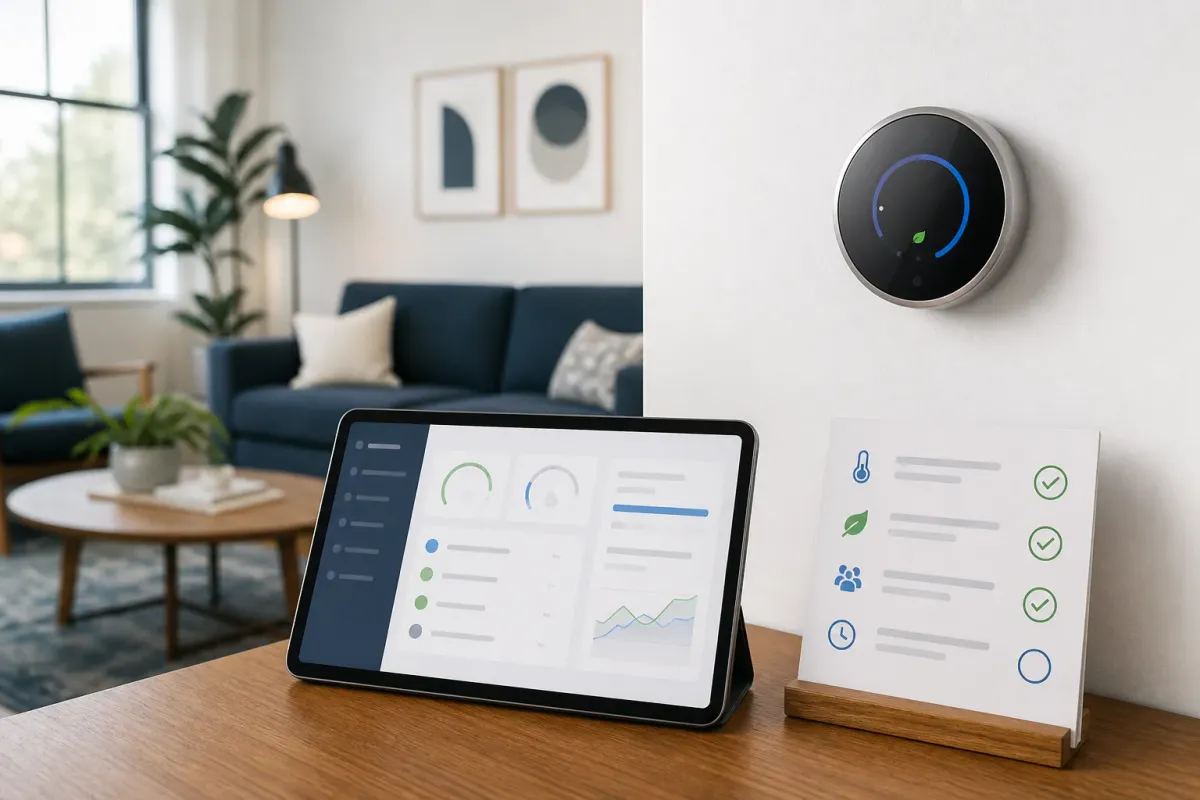
Thermostat questions can consume more time than teams expect.
In shared housing, one resident may be cold, another may be hot, and the operator may need to protect the equipment while keeping the house comfortable.

Why thermostat management is different in co-living
In a single-family rental, one household usually controls the thermostat. In co-living, several unrelated residents may share the same HVAC system.
Residents ask whether they can change the thermostat.
Teams need an approved comfort range and escalation rule.
Locked thermostats can create confusion if the policy is not explained clearly.
Real HVAC issues need to be separated from comfort preferences.
Recommended thermostat option
Sensi can be useful for operators who want remote thermostat visibility and a clearer operating standard across properties.
Sensi smart thermostat
Use case: Remote thermostat visibility and control
Check HVAC compatibility, wiring, C-wire requirements, Wi-Fi reliability, and owner approval first.
View productIf you use Sensi Multiple Thermostat Manager, keep that official account link in your internal documentation even if it is not an affiliate link.
The policy matters as much as the device
A smart thermostat does not solve resident conflict by itself. The team still needs a clear thermostat policy that Tenant Reply can reference.
Allowed temperature range and whether residents can adjust it.
Whether keypad lockout is enabled.
What residents should check before reporting an HVAC issue.
Who can override settings during extreme weather.
Which vendor or manager handles emergency escalation.
Tenant Reply workflow
When a resident says the thermostat is locked, Tenant Reply should know the property policy before drafting a response.
Too hot, too cold, locked thermostat, or possible HVAC issue.
Thermostat type, allowed range, lock status, and troubleshooting steps.
The resident gets a clear answer, and true HVAC issues escalate faster.