Smart Locks for Co-Living: Sifely, Olumat, and Door Access Standards
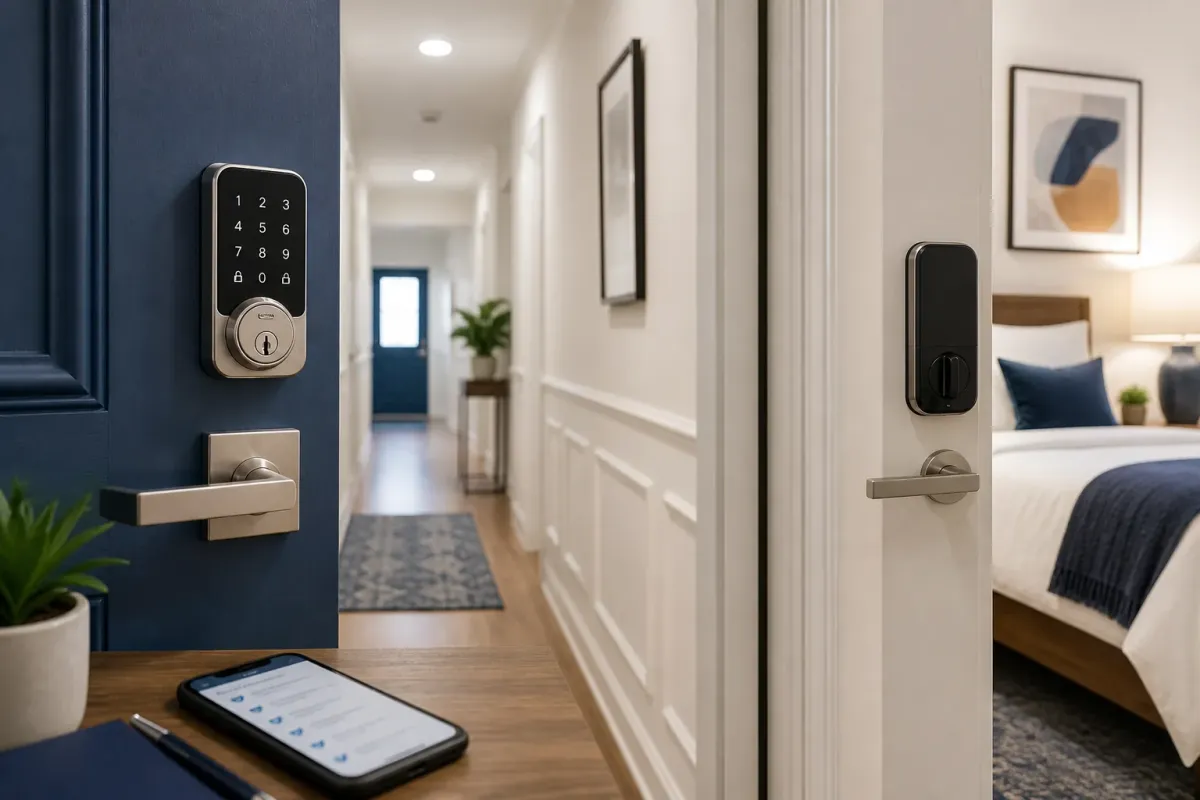
Smart locks can make co-living operations much easier, but only when the team can support them consistently.
The lock is not the strategy. The strategy is code management, resident verification, backup keys, owner approval, and fast support replies.

What a good co-living lock needs to solve
A good lock helps your team create, remove, and explain access without visiting the property every time.
Can the team create or remove access without a field visit?
Can the resident understand the entry instructions quickly?
Can the lock work with a gateway when remote management matters?
Is there a backup key if the lock, battery, app, or Wi-Fi fails?
Can Tenant Reply tell the difference between exterior and bedroom-door rules?
Recommended lock options
These are the lock options currently tracked in our recommended items sheet. Treat them as operating-stack recommendations, not universal claims that one model fits every door.
Sifely exterior smart lock
Use case: Standard code-based exterior doors
Use where exterior-door fit, fire code, owner approval, and backup-key rules are already checked.
View productSifely interior smart lock
Use case: Standard code-based interior doors
Useful as a second approved option when an interior bedroom-door scenario needs a different fit.
View productOlumat smart lock
Use case: Alternative interior smart lock option
Best treated as a supported mixed-hardware option, not as a one-size-fits-all standard.
View productExterior doors vs bedroom doors
Exterior doors usually need shared access for residents, move-ins, cleaners, vendors, and emergencies. Bedroom doors may need more privacy, more careful code handling, and more local-code review.
Check door thickness, latch/deadbolt type, handing, weather exposure, and battery access.
Review local fire and egress rules before changing bedroom-door hardware.
Decide whether residents can receive temporary codes, permanent codes, or no direct code changes.
Document whether staff can help remotely or whether someone must be physically nearby.
Tenant Reply workflow
When a resident says a code is not working, Tenant Reply should know the property, the door, the lock type, whether a gateway exists, and whether a backup keybox can be used.
Front door, bedroom door, utility door, or owner-specific exception.
Sifely exterior, Sifely interior, Olumat, mechanical key, or another owner-installed lock.
Give safe instructions or escalate before sensitive access is released.